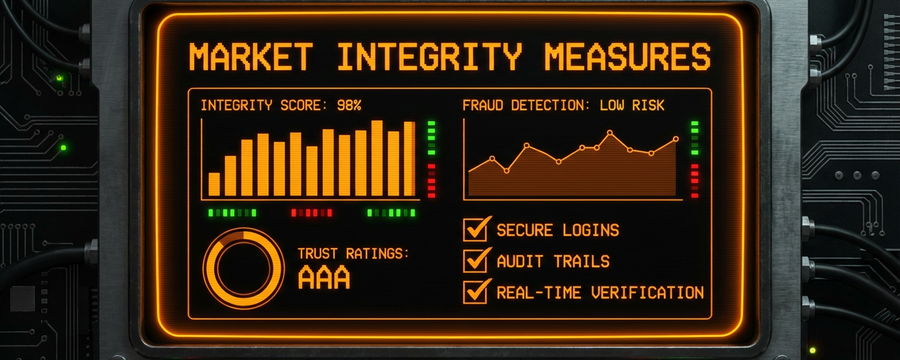
The March 2026 market integrity update deployed an automated fraud detection system targeting the platform's most persistent integrity problem: artificial rating inflation through coordinated fake buyer accounts. Rating manipulation undermines the entire trust architecture of the marketplace — buyers rely on vendor ratings as their primary quality signal, and fraudulent ratings corrupt this signal fundamentally.
The detection algorithm analyzes behavioral patterns that distinguish organic reviews from coordinated manipulation: timing patterns (artificial reviews tend to cluster in burst patterns inconsistent with organic purchase behavior), account age distributions, transaction value distributions, and linguistic pattern analysis of review text. Accounts exhibiting multiple high-confidence manipulation signals are flagged for human review before action is taken.
Results
The initial deployment identified and removed 847 fraudulent review sets — collections of artificial positive reviews linked to specific vendor accounts through behavioral analysis. Affected vendors received notification with the specific violation evidence. Vendors with borderline cases received warnings and monitoring periods. Vendors with clear, high-volume manipulation had their accounts suspended pending review.
Verification Integration
The fraud detection system was integrated with the vendor verification system: vendors flagged for rating manipulation are required to undergo re-verification before listing access is restored. This creates a meaningful deterrent — the deposit bond required for re-verification represents a real financial cost for actors attempting to rebuild after removal for fraud. The system is updated continuously as new manipulation patterns are identified through manual review of edge cases.
// INFORMATIONAL NOTICE
Market integrity documentation for educational purposes.